Thanks for visiting this area of our website. We hope you find it helpful.
We would appreciate your feedback on what you think of the information and your views on how we might improve. If you would like to help, you can complete our survey here:
Support for managing menopausal symptoms after cancer treatment
Experiencing menopausal symptoms after cancer treatment is very common. Treatment can sometimes bring on an early or sudden menopause, or make existing menopausal symptoms worse.
Many people believe these symptoms are something they simply have to live with. However, support is available, and you do not have to manage them alone.
Whether you are experiencing hot flushes, disturbed sleep, fatigue, mood changes, anxiety, changes in concentration, joint aches or changes in sexual wellbeing, there are treatments, self-management strategies and specialist services that may be able to help improve your quality of life.
How and where to get support
Your GP or your cancer Clinical Nurse Specialist (CNS) should be your first point of contact. They can:
discuss your symptoms and how they are affecting you
provide advice on managing menopausal symptoms
discuss appropriate treatment options
refer you to specialist menopause services where appropriate
Everyone's experience is different, so it's important to seek advice that is tailored to your individual needs and cancer treatment.
My Wellbeing Space
Our colleagues elsewhere have developed My Wellbeing Space—an online resource created by patients and carers, for patients and carers. Although that particular website was developed for people living in the North East and Cumbria, much of the information is relevant to anyone experiencing menopause after cancer treatment.
The Cancer and Menopause section includes practical information on:
Please note that the Health and Wellbeing Directory within My Wellbeing Space does not cover West Yorkshire and Harrogate.
Support in West Yorkshire and Harrogate
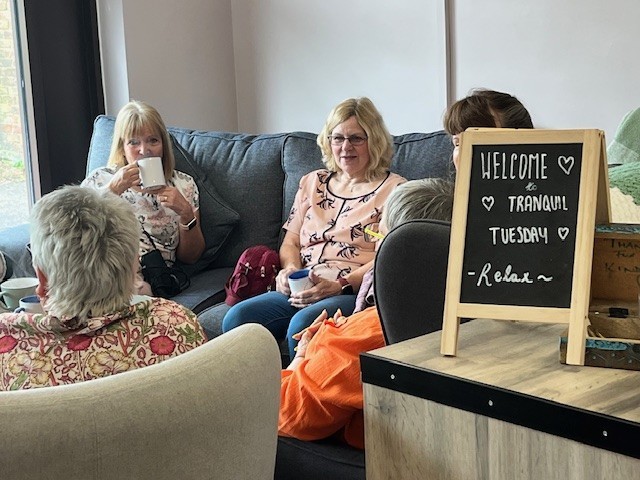
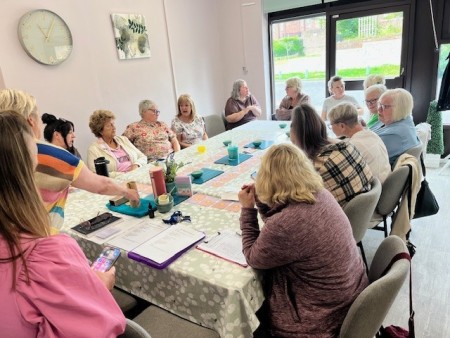
Tranquil Tuesdays are wellbeing mornings run by
Bless Community Support in Hemsworth
If you live in West Yorkshire and Harrogate, your GP or cancer Clinical Nurse Specialist can help you access local services and support available in your area.
Additional information and resources
You may also find the resources and videos below helpful. They provide evidence-based information on topics including:
healthy eating and nutrition
physical activity and exercise
sleep and fatigue
emotional wellbeing
cognitive behavioural therapy (CBT), which has been shown to help reduce the impact of menopausal symptoms